
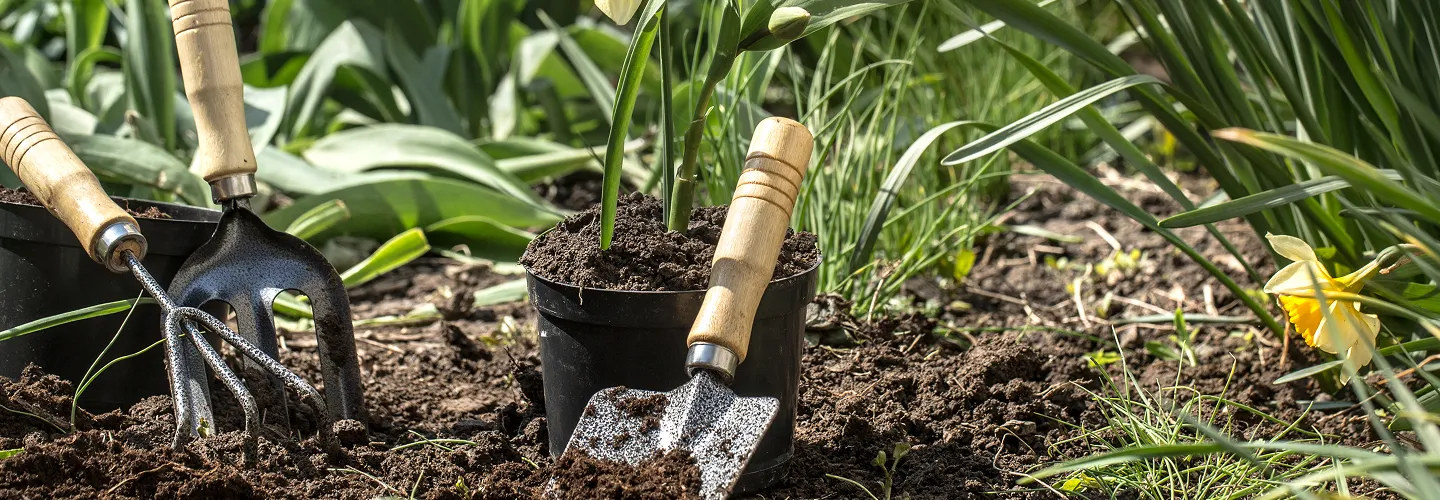
Canaan Flower Planting Services
Choose our Flower Planting service for expert design, premium plants, and lasting beauty—transforming your garden into a vibrant, welcoming retreat that blooms season after season.
Get a Free QuoteOur Canaan Landscaping & Yard Care Services
When to Schedule Flower Planting in Canaan, Connecticut – Seasonal Guide
Flower planting in Canaan, Connecticut, is best scheduled with careful attention to our region’s unique climate and landscape. The optimal planting windows typically fall in late spring, after the last frost date—usually mid-May—and again in early fall, when cooler temperatures and increased rainfall help new plantings establish strong roots. Canaan’s proximity to the Housatonic River and the rolling hills near Bartholomew’s Cobble create microclimates that can influence soil moisture and temperature, so it’s important to consider your specific neighborhood’s conditions.
Local environmental factors such as late spring frosts, summer drought risk, and the prevalence of shaded yards—especially in areas like Falls Village or near the Great Mountain Forest—play a significant role in determining the best time for flower planting. Soil in Canaan often ranges from sandy loam to rocky clay, affecting drainage and nutrient availability. For more detailed local climate data, homeowners can consult resources like the Sudbury, MA municipal site, which offers helpful regional gardening insights.
Local Factors to Consider for Flower Planting in Canaan
- Proximity to wooded areas and tree density, which impact shade and soil acidity
- Terrain slope and drainage, especially on properties near the Appalachian Trail
- Average precipitation and risk of late or early frosts
- Municipal watering restrictions or guidelines
- Soil composition and pH, which can vary between neighborhoods
- Exposure to wind and sun, particularly in open fields versus sheltered lots
Benefits of Flower Planting in Canaan

Expert Landscaping Services
Customized Garden Designs
Seasonal Plant Selection
Enhanced Curb Appeal
Eco-Friendly Planting Solutions
Reliable Local Professionals
Canaan Flower Planting Types

Perennial Flower Beds
-
Annual Flower Displays
-
Native Wildflower Gardens
-
Seasonal Bulb Plantings
-
Pollinator-Friendly Plantings
-
Shade Garden Flowers
-
Drought-Tolerant Flower Beds
Our Flower Planting Process
Site Evaluation
Soil Preparation
Plant Selection
Careful Planting
Watering and Mulching
Why Choose Canaan Landscape Services
-
Canaan Homeowners Trust Us
-
Expert Lawn Maintenance
-
Reliable Scheduling
-
Competitive Pricing
-
Professional Team
-
Satisfaction Guarantee
-
Personalized Service
Soil Series and Drainage Considerations for Flower Planting in Canaan
Canaan’s landscape is shaped by glacial till soils, predominantly Inceptisols and Ultisols, which are often rocky, moderately acidic (pH 5.5–6.5), and exhibit variable drainage. The USDA Web Soil Survey identifies local series such as the Charlton-Chatfield complex and Ridgebury fine sandy loam, both of which can present challenges for root establishment and moisture management. For optimal flower bed performance, incorporate 2–3 inches of compost tilled to a 6-inch depth and conduct a soil test through UConn Extension (typical cost: $15–25). Amend soils with lime if pH is below 6.0. Drainage improvements, such as raised beds or French drains, are recommended in areas with seasonal water tables at 12–18 inches. Always verify site-specific conditions using the USDA Web Soil Survey.
Canaan Falls Village Department of Public Works
108 Main Street, Canaan, CT 06018
Phone: (860) 824-7313
Official Website: Canaan Falls Village Department of Public Works
Optimal Flower Planting Windows and Climate Zone Guidance for Canaan
Canaan is located in USDA Hardiness Zone 5b–6a, with average annual minimum temperatures of -15°F to -5°F. The National Weather Service Albany Office provides local frost dates, with spring planting recommended from May 10–June 10 (after last frost) and fall planting from September 1–30 (before first frost, typically late October). Soil temperatures should reach 50–55°F for successful establishment. Avoid planting during July–August due to heat stress and potential drought. For perennial species, schedule division and transplanting in early spring or late summer. Monitor weather advisories for late frosts or heavy rainfall events that may impact planting schedules.
- Spring planting: May 10 – June 10 (soil temp 50–55°F)
- Fall planting: September 1 – 30 (before first frost)
- Avoid: July–August (heat/drought stress)
Native and Deer-Resistant Flower Species Selection for Canaan Gardens
Selecting species adapted to Canaan’s microclimate and wildlife pressures is essential for sustainable flower planting. Native perennials such as black-eyed Susan (Rudbeckia hirta), wild bergamot (Monarda fistulosa), and cardinal flower (Lobelia cardinalis) thrive in local soils and support pollinators. For deer resistance, consider lavender (Lavandula angustifolia), Russian sage (Perovskia atriplicifolia), and salvia (Salvia nemorosa). Plant spacing should be 12–24 inches apart, depending on mature size, to ensure air circulation and reduce disease risk. Incorporate mulch to a 2-inch depth to conserve moisture and suppress weeds. Consult UConn Extension for additional species recommendations and integrated pest management strategies.
- Full sun: Black-eyed Susan, coneflower, daylily
- Partial shade: Coral bells, astilbe, hosta
- Deer resistant: Lavender, Russian sage, salvia
- Native options: Wild bergamot, Joe Pye weed, cardinal flower
Municipal Coordination and Permit Requirements for Flower Planting in Canaan
Flower planting projects in Canaan must comply with local ordinances regarding public right-of-way, setbacks, and protected areas. Planting within 25 feet of wetlands or watercourses requires review by the Inland Wetlands & Conservation Commission. For installations near property lines, maintain a 5-foot setback unless otherwise approved by the Planning & Zoning Commission. Equipment operation is permitted:
- Monday–Friday: 7:00 AM – 7:00 PM
- Saturday: 8:00 AM – 6:00 PM
- Sunday and holidays: Prohibited Permit applications for work in regulated areas typically require a $50–$75 fee and a 10–15 business day review. For guidance on compliance and permit submission, contact:
Canaan Falls Village Planning & Zoning Commission
108 Main Street, Canaan, CT 06018
Phone: (860) 824-7313
Official Website: Canaan Falls Village Planning & Zoning Commission
Canaan Falls Village Inland Wetlands & Conservation Commission
108 Main Street, Canaan, CT 06018
Phone: (860) 824-7313
Official Website: Canaan Falls Village Inland Wetlands & Conservation Commission
Environmental Compliance: Wetland Buffers and Stormwater Management in Canaan
Canaan’s flower planting activities are subject to state and federal environmental regulations, including the Connecticut Environmental Protection Act and Clean Water Act. Maintain a 25-foot no-disturbance buffer from wetlands and a 50-foot setback from perennial streams. The Connecticut Department of Energy and Environmental Protection (CT DEEP) administers the MS4 stormwater permit, which prohibits soil, mulch, or plant debris from entering storm drains. Use biodegradable mulch and avoid fertilizer application within 50 feet of water bodies. Report any suspected violations to CT DEEP. For technical guidance, consult:
Connecticut Department of Energy and Environmental Protection
79 Elm Street, Hartford, CT 06106
Phone: (860) 424-3000
Official Website: Connecticut Department of Energy and Environmental Protection
What Neighborhoods Do We Serve Throughout Canaan, CT?
- Falls Village Center: Characterized by historic properties and mature trees, this area often features compacted soils and limited planting space, requiring careful species selection and compliance with historic district guidelines.
- Lower Cobble Road: Known for its proximity to wetlands and the Housatonic River, properties here must observe strict buffer requirements and may face seasonal flooding challenges.
- Page Road Area: Larger lots with variable drainage and rocky soils; flower planting often requires soil amendment and erosion control measures on sloped sites.
- Canaan Mountain District: Elevated terrain with shallow, stony soils and increased deer pressure; native and deer-resistant species are recommended for sustainable plantings.
- Route 7 Corridor: Mixed residential and commercial properties with higher traffic and potential salt exposure from winter road maintenance, necessitating salt-tolerant plant choices and protective mulching.
- Huntsville: Rural setting with expansive lawns and proximity to forested areas, where wildlife management and invasive species monitoring are important for successful flower beds.
- Housatonic Meadows Vicinity: Adjacent to state parkland and conservation areas, this neighborhood requires strict adherence to environmental regulations and coordination with local conservation authorities.